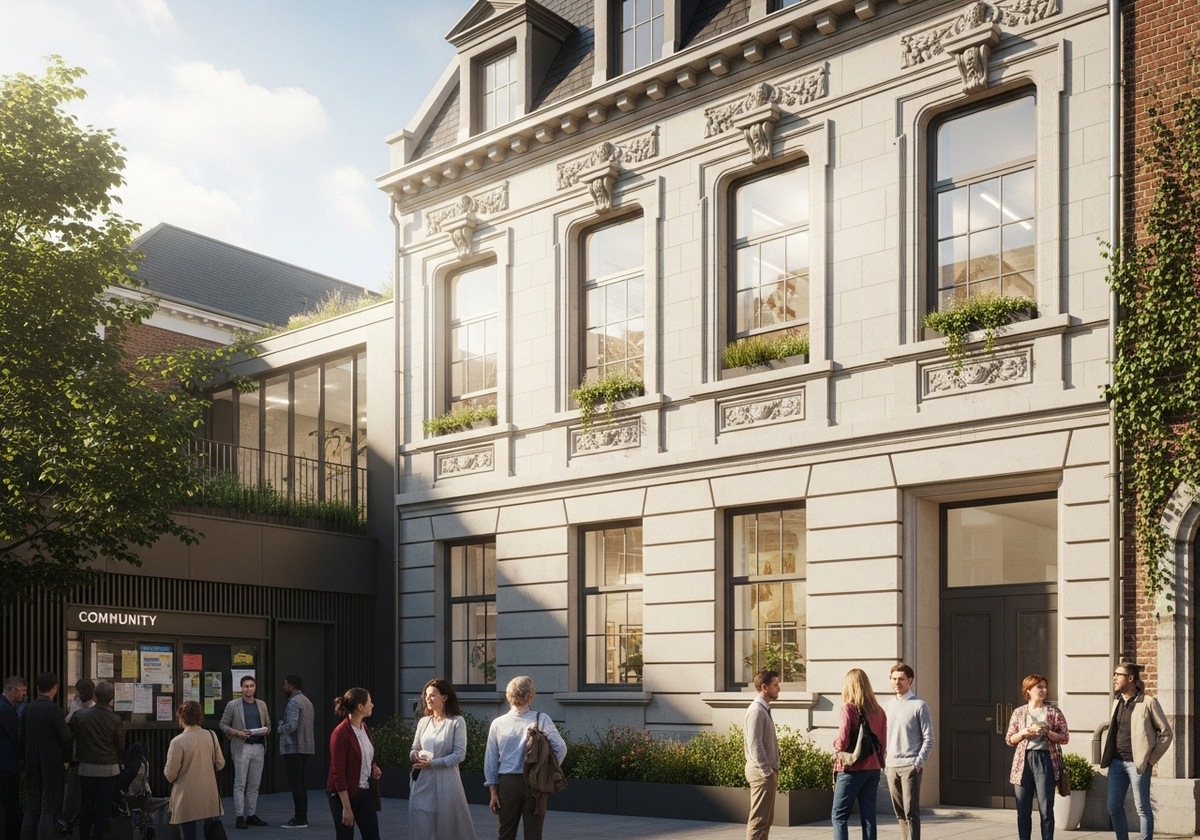
Embarking on a renewal project, whether it's breathing new life into a historic building or modernizing a living space, can be an exciting yet complex endeavor. Success hinges on meticulous planning, a clear understanding of regulatory requirements, and a commitment to quality. This blog post will walk you through four key steps to ensure your renewal project is not only successful but also compliant and sustainable.
Step 1: Comprehensive Assessment and Planning
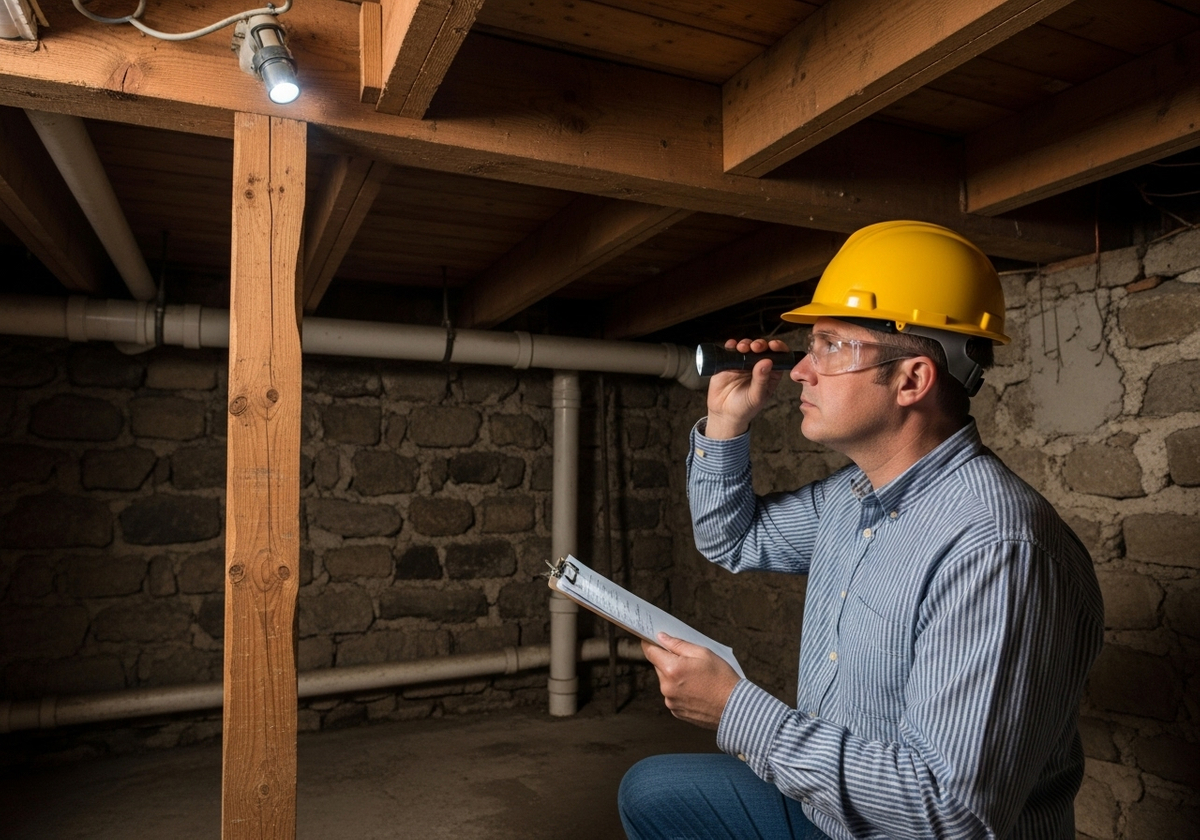
Before any hammer swings, a thorough assessment of the existing structure is crucial. This involves:
Detailed Inspection: Identifying structural weaknesses, hazardous materials (like asbestos or lead paint), and areas needing immediate attention.
Regulatory Review: Understanding local zoning laws, building codes, and historical preservation guidelines. This is where familiarity with Construction Regulatory Compliance becomes essential.
Defining Project Scope: Clearly outlining the goals of the renewal, whether it's aesthetic upgrades, functional improvements, or a combination of both.
Budget Development: Creating a realistic budget that accounts for materials, labor, permits, and potential unforeseen issues.
Step 2: Navigating Registries & Licensing
Renewal projects often require specific permits and adherence to industry standards. This step involves:
Identifying Required Permits: Determining which permits are necessary for the scope of work, such as building permits, electrical permits, or plumbing permits.
Verifying Contractor Credentials: Ensuring your Residential Renovation & Remodeling Contractor is properly licensed, insured, and experienced in similar projects. Check relevant Registries & Licensing to confirm their standing.
Understanding Compliance Requirements: Familiarizing yourself with all applicable regulations, including environmental regulations and accessibility standards.
Step 3: Sustainable Material Selection and Execution
Modern renewal projects prioritize sustainability, focusing on:
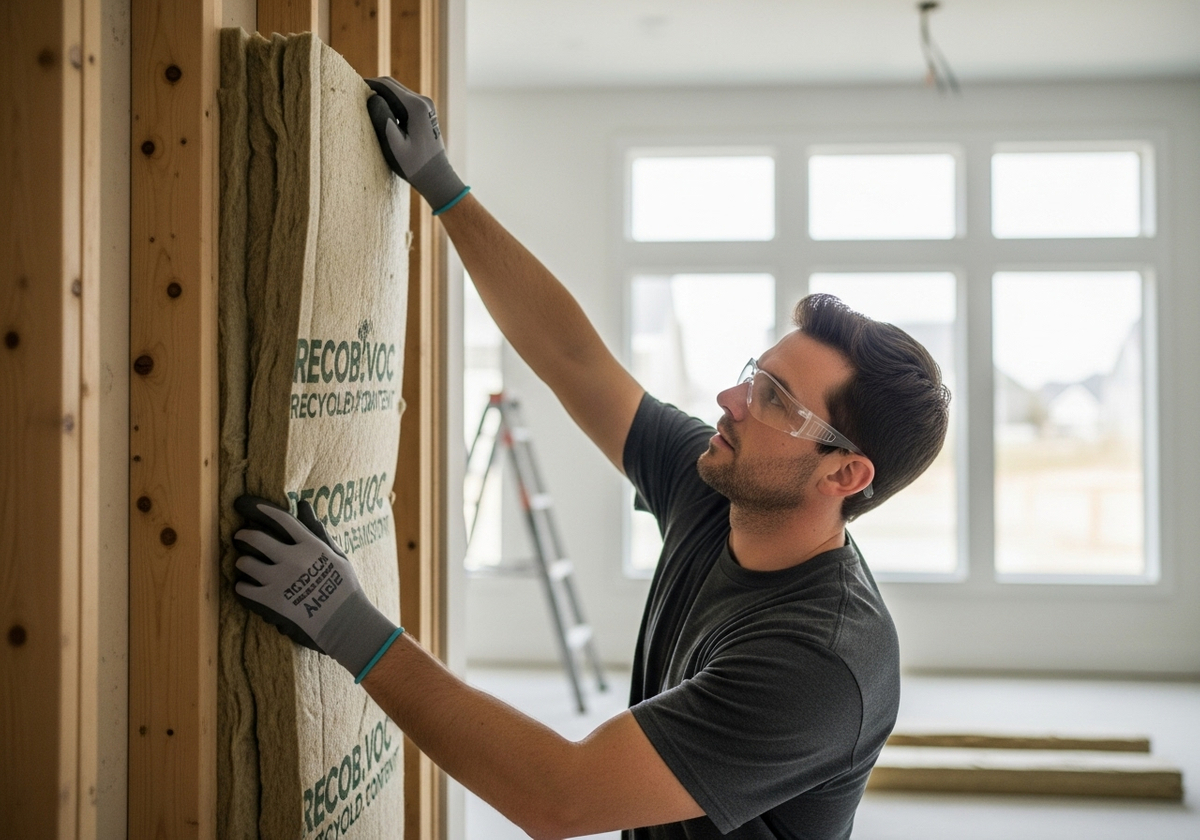
Eco-Friendly Materials: Choosing materials with recycled content, low VOC emissions, and sustainable sourcing.
Energy Efficiency: Incorporating energy-efficient windows, insulation, and HVAC systems to reduce the building's environmental footprint.
Waste Management: Implementing responsible waste disposal practices, including recycling and minimizing construction debris.
Quality Craftsmanship: Ensuring the project is executed with precision and attention to detail to maximize the lifespan of the renewed structure.
Step 4: Community Engagement and Communication
Renewal projects, especially those related to Urban Renewal Projects, often impact the surrounding community. Therefore:
Informing Stakeholders: Keeping neighbors and local businesses informed about the project's progress and potential disruptions.
Addressing Concerns: Actively listening to and addressing any concerns raised by the community.
Preserving Historical Significance: Respecting the historical character of the building and its contribution to the community's identity.
Contributing to Revitalization: Viewing the renewal project as an opportunity to enhance the neighborhood and contribute to its overall revitalization.
Successful renewal projects require a blend of vision, expertise, and meticulous execution. By prioritizing comprehensive planning, regulatory compliance, sustainable practices, and community engagement, you can ensure your project not only meets your goals but also contributes positively to the built environment. At Renewal Renovation and Remodel LLC, we understand the intricacies of renewal projects and are committed to guiding you through every step of the process. Contact us today to learn more about how we can help you bring your vision to life. Explore our website to see examples of our past projects and discover the possibilities for your own renewal endeavor!