
Navigating the world of construction and renovation comes with its fair share of expected challenges: material delays, design tweaks, and the occasional weather hiccup. However, one area that can quickly turn a minor bump into a major headache is compliance. Whether you're knee-deep in a Residential Renovation & Remodeling Contractor project or just starting to plan, understanding how to handle unexpected compliance issues is crucial. Let's dive into some strategies to keep your project on track and within legal bounds.
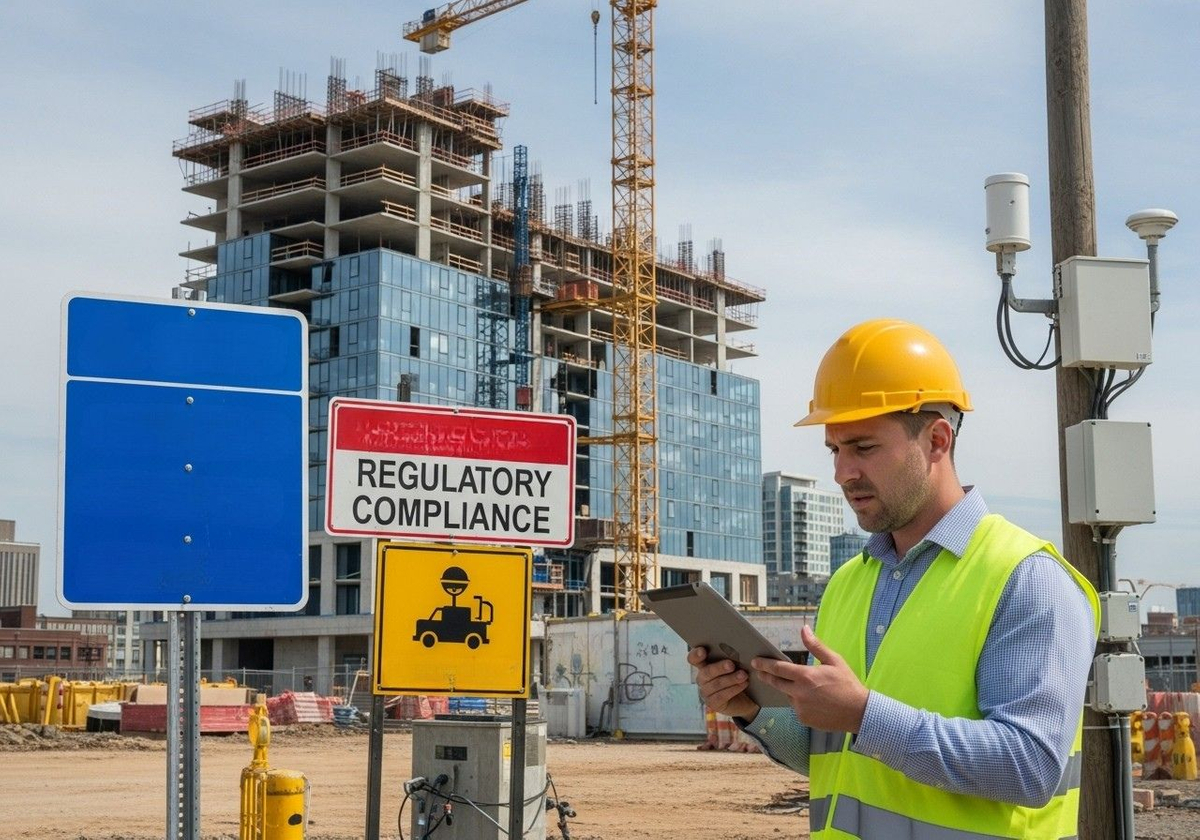
Understanding the Landscape of Construction Regulatory Compliance
Construction Regulatory Compliance can often seem like a maze of codes, permits, and inspections. Regulations exist at the local, state, and federal levels, covering everything from zoning and building codes to environmental protection and worker safety. Failing to comply can lead to hefty fines, project delays, or even legal action. For instance, Urban Renewal Projects often have specific requirements tied to community development goals, requiring additional scrutiny.
Proactive Steps to Minimize Surprises
Prevention is always better than cure. Here's how to minimize unexpected compliance issues:
Due Diligence: Before starting any project, thoroughly research all applicable regulations. Consult with local authorities, industry associations, and legal professionals to ensure you have a comprehensive understanding.
Detailed Planning: Incorporate compliance considerations into your project plan from the outset. This includes budgeting for permits, inspections, and potential mitigation measures.
Qualified Professionals: Engage experienced architects, engineers, and contractors who are well-versed in local regulations. Their expertise can help you identify and address potential issues early on.
Regular Audits: Conduct periodic self-audits to ensure ongoing compliance throughout the project lifecycle. This can help you catch minor issues before they escalate into major problems.

Reacting to Unexpected Compliance Issues
Even with the best planning, unexpected compliance issues can arise. Here's how to handle them effectively:
Stay Calm: The initial reaction to a compliance issue can be stressful, but it's important to remain calm and assess the situation objectively.
Assess the Impact: Determine the scope and severity of the non-compliance. How does it affect the project timeline, budget, and overall goals?
Seek Expert Advice: Consult with legal counsel or compliance specialists to understand your options and develop a remediation plan.
Communicate Transparently: Keep all stakeholders informed of the issue and the steps you're taking to address it. Transparency builds trust and can help mitigate potential conflicts.
Document Everything: Maintain detailed records of all communications, inspections, and corrective actions. This documentation can be invaluable in demonstrating your commitment to compliance.
Navigating Registries & Licensing Requirements
Different jurisdictions have different Registries & Licensing requirements for contractors and subcontractors. Ensure that everyone working on your project is properly licensed and registered. Failure to do so can result in significant penalties and project delays. Regularly verify the credentials of all professionals involved in your project.
Unexpected compliance issues can be a major headache, but with proactive planning and a swift, informed response, you can minimize their impact. Staying informed, seeking expert advice, and maintaining open communication are key to navigating the complex landscape of construction regulations. At Renewal Renovation and Remodel LLC, we understand these challenges and are committed to ensuring your project meets all necessary compliance standards. Contact us today to learn more about how we can help you navigate the complexities of Residential Renovation & Remodeling Contractor projects, or explore our website to see our full list of services.